

在2020年特斯拉的电池日上,马斯克曾表示要在三年内推出一款2.5万美元(约合人民币16.18万元)的入门级电动汽车。然而就在今年1月份,马斯克表示,特斯拉没有开发他在2020年电池日所承诺的价格低至2.5万美元的电动新车,并表示他的盘子里有太多事情要做。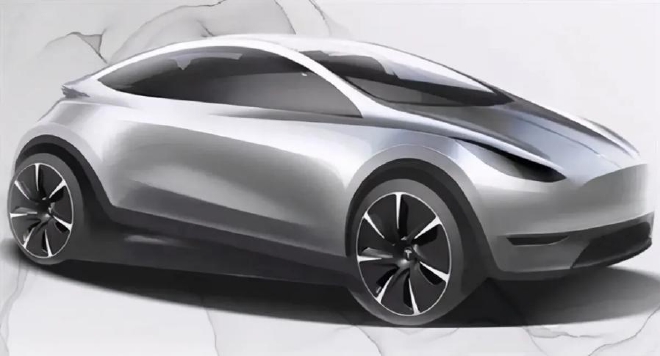
这也就意味着,消费者很难在短时间内开上特斯拉的低价电动车了,仔细斟酌后发现,其背后的原因不外乎成本问题。事实上,由于供应链问题,特斯拉已经多次调高旗下新车的价格。随着原材料成本的飙升,马斯克推出价格更实惠电动新车的梦想或许暂时会被搁置。
连马斯克都表态要暂时放弃推低价电动车了,看来原材料成本上涨、补贴退坡等因素对低价电动车细分市场带来了深远的影响。
低价电动车利润被压榨到极限。
东风俊风19日上市了EX1 Pro 车型,价格也在4.75-5.65 元之间,但续航达到了32OKM。
毫不夸张地说,低价电动车正遭遇最艰难的时刻。
由于补贴退坡、原材料价格上涨和芯片短缺等因素,不少新能源车企已经对旗下新车价格进行上调,过去一直被新能源市场视为香饽饽的低价电动车开始遭到重压。新车涨价对于中高端车型来说影响似乎不是很明显,但对于像五菱宏光MINIEV和欧拉黑猫等这些定位低价市场的车型来说,成本上涨带来的压力更加凸显。
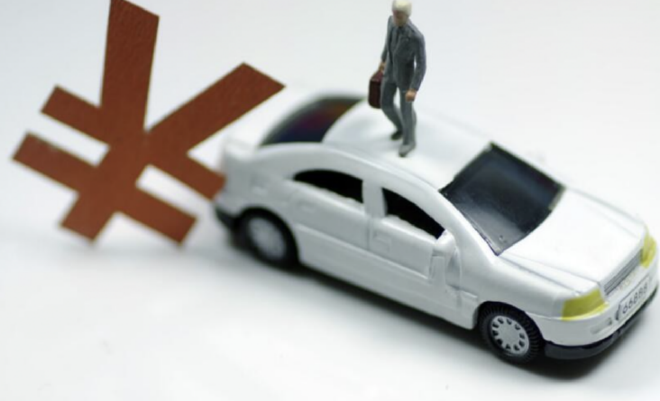
此前,欧拉旗下黑猫和白猫停止接单事件就闹得沸沸扬扬。欧拉品牌CEO董玉东就曾表示,虽然欧拉品牌背后有产业链的优势,但是这款时尚亲民的小车仍给公司带来了巨额亏损。以黑猫为例,2022年原材料价格大幅上涨后,欧拉黑猫单台亏损超万元。
此外,缺芯少电导致的黑、白猫尚未向用户交付新车的订单累计突破2万辆,如继续接单,新订单交付要等到2022年下半年。
从长城欧拉黑猫、白猫到领跑T03、再到奇瑞QQ冰淇淋,这些车要么选择停止接单,要么涨价,这也成为大多数车企给出的解决方案,毕竟谁也不愿意做亏本的生意。
近两年,不少车企凭借小型低价电动车快速获得了市场认可,虽然补贴退坡对低价电动车的影响不大,但随着原材料成本的上涨,低价电动车也受到了很大的影响,因为三电系统占据一辆车较大比例的成本,在关键原材料涨价时可调整的余地就非常受限,所以销量越高意味着面临的亏损额也越高。
如果车企直接对这类小型车在终端上进行调价,消费者可能很难接受,这些车主打的卖点就是低价,不论车企还是消费者,对于价格变化从来都异常敏感。因此,多数车企选择自我消化成本上涨的压力。
但是,企业自我消化成本上涨压力毕竟不是长久之计。欧拉董玉东曾表示,新能源车成本相对透明,从目前市面上的产品状态和成本分析看,300km以上的标准乘用车大部分亏损,可能有的企业通过调整财务模型,将费用资产化,部分成本转移等手段把账面亏损缩减,但大多数车型的直材成本都约等于售价加补贴,所以亏损是肯定的。
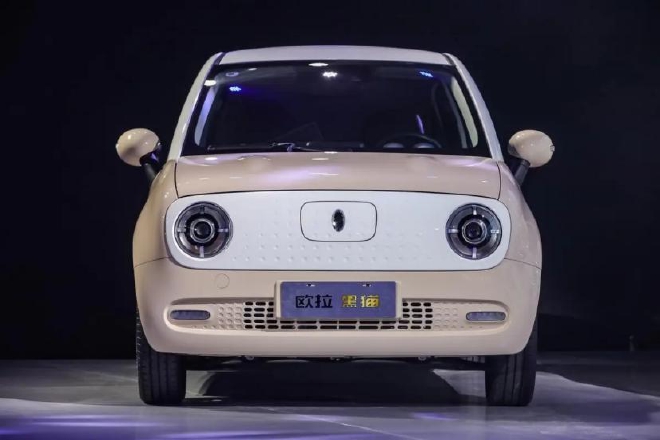
“随着原材料价格的上涨,亏损的情况会进一步恶化。我们一直在找解决方案,但是这一细分市场的行业发展是不健康的。”董玉东还表示,电池原材料价格上涨还未结束,这将进一步增大成本压力。
随着新能源市场的逐步扩大,行业对锂、钴、镍等动力电池核心原材料的需求也越来越大,售价上涨自然是不可避免。
不过,这些核心材料价格上涨快得离谱。2021年8月,电池级碳酸锂的报价还在10万元/吨左右,如今价格已经超过50万元/吨,而近来国际局势变化引发的“妖镍”价格异动事件,则进一步加剧了新能源车售价的上调。
从销量、政策、原材料等多方面来看,新能源车型价格上调将会是一个长期的、持续的过程。短时间内,新能源汽车价格上涨已经成为主旋律,根据此前摩根士丹利的估计,镍价上涨可能会导致电动汽车单车成本增加1000美元。
所以不难理解,为何那么多车企都宣布上调新车价格,特斯拉在一周之内就上调两次,其中Model Y高性能版,综合涨幅高达3万元。就连新款宏光MINIEV的售价也有所提升,看来企业真的是承受不住了。
其实,不知道低价电动车不赚钱,目前新能源车企普遍都处于亏损状态,像造车新势力头部蔚小理都是亏损状态,即便是特斯拉也用了很多年才实现盈利,所以新能源车企实现盈利还有较长的路要走。
而低价电动车要想实现盈利或许更难,因为相对中高端电动车来说,购买微型和小型电动车的用户主要用途是占牌照和代步,对续航、性能和科技方面的要求并不高,所以企业可以压低成本,凭借性价比占领市场。
但是,购买低价电动车的用户都会非常关注价格,本来价格就不超过10万元,如果调整后上涨5000-1000元,对于消费者来说是很难接受的。
但事实就摆在眼前,电池价格上涨使得五菱宏光MINIEV和欧拉黑猫、白猫等车型的成本升高,制造商压力很大,毕竟这些入门级电动车的生产利润空间就很小,不涨价企业就要自掏腰包补贴,面对如此大的体量,不涨价显然是不可能的。
赔本生意为何还要继续做下去?按照常规思路来看,做生意肯定是要赚钱的,卖掉的商品必然也要有利润可图。但是像五菱宏光MINIEV这类微型电动车,还有欧拉黑猫、白猫小型电动车,可能卖车所赚取的利润没多少,而且不太容易赚到钱。
有外媒报道称,某机构购买一辆3.88万元次顶配五菱宏光MINIEV进行拆解,在拆解过程中发现,宏光MINIEV对零部件进行了简化处理,使用模块化思路,将零部件以更容易更换的方式组装起来,使得五菱宏光MINIEV的造车成本更低。
最终将各个零部件成本加在一起总计约2.69万元,粗略计算这款次顶配车型的利润还有1.19万元,不过这只是理论上的计算,如果算上人工、运输、营销等费用,实际单车到手的利润恐怕所剩无几。
此前,上汽通用高管在一次采访中也谈到,五菱生产的宏光MINIEV最初考虑的是产品能不能被用户接受,抓住用户真正的出行痛点才是第一位。他也承认,宏光MINIEV的单车利润低的吓人,只能靠规模效益实现盈利。
的确如此,当产品销量达到一定规模后,可以有效摊薄成本实现盈利。目前,五菱宏光MINIEV的累积销量已经接近60万辆,成为新能源汽车全球销量第一。所以从这个销量数字来看,规模效益已经很明显了,至于每台车能赚多少无可查证,但是应该不会是一个很惊人的数字,毕竟一款车的成本就不低,而售价又是几万块。
值得关注的是,宏光MINIEV达到如此销量规模才能实现盈利,而那些与宏光MINIEV主打同一细分市场的竞争者,全年销量只是个零头,不算是实现规模效益,搞不好就是赔本赚吆喝了。即便如此,新能源低价电动车市场依然是暗流涌动,从吉利的几何E,到长安的糯玉米,国民精品代步小车的阵容再次壮大。
既然无利可图,那些厂商为何还要咬牙入局呢?其一,目前新能源汽车已经成为全球汽车行业主旋律,中国也成为最大的新能源汽车市场。数据显示,2021年中国市场新能源乘用车销量为293.98万辆,占据全球新能源乘用车市场份额的45%,中国市场新能源车不仅数量庞大,增速也更是喜人,去年销量同比增长156.7%,零售渗透率更是达到14.8%。
中国新能源汽车市场取得这样的成绩,不得不让外界对新能源市场刮目相看。乘联会预计2022年中国新能源乘用车销量550万辆,新能源车的渗透率达到25%,而微型电动车又是新能源行业重要组成部分。所以,为了抢占未来市场,企业不能坐以待毙,让五菱宏光MINIEV独自吞掉这块大蛋糕。

其二,车企生产低价电动车还有一个潜在收益,那就是赚取新能源积分。我们都知道,国家双积分政策对车企的要求十分严苛,车企的积分必须为正才能通过考核。售卖燃油车产生的负积分,需要用新能源车的正积分来抵消,如果企业自身的新能源积分不足以抵消负积分,就需要从其他有富余正积分的企业购买。
毕竟从其他车企购买积分不是长久之计,只是应急手段,毕竟一个积分需要3000元,对于那些以燃油车为主的企业来说,想要完全抵消负积分,恐怕要花上一大笔钱,显然是很划算的。所以,车企选择生产新能源车型,来抵消车企售卖燃油车的负积分。
然而,随着双积分政策的逐渐收紧,留给积分为负的厂商的时间不多了。而微型电动车和小型电动车制造难度小,售价低廉容易走量,更容易快速帮助厂商实现积分转正。
除了以上两方面的原因外,车企造低价电动车或许还有更深远的意义,那就是活下去。
目前,发展新能源汽车已经成为全球共识,一些车企想要借新能源赛道完成弯道超车,虽然最终目标一致,但出发点却不尽相同。有些车企直接冲向新能源中高端市场,要造出颠覆性的智能汽车。
但是,造新能源车也需要耗费巨额资金,对于那些技术储备弱、资金和人才短缺的企业来说,就充满了挑战。很多车企都折腾了好几年,最后不了了之的企业数不胜数。
虽然有不少新能源车企站稳了脚跟,但日子过得也并非想象得那样好,比如蔚来、小鹏等造车新势力,一直都在努力寻找资金链支持,所以造高端新能源车是很烧钱的。
既然高端车造不出来,那就将目光锁定低端新能源车型,于是很多车企就复刻了五菱宏光MINIEV,一是因为造车技术门槛不高,二是已经有成功案例可以借鉴,相对来说会更容易些。
当然,不论出于什么目的,车企积极参与造新能源车对行业和消费者来说都是好事,毕竟产品越多,竞争越大,新车的品质才会更好。
找准低价电动车市场定位很关键虽然有更多的车企加入造低价电动车行列,但是这个细分市场纵使潜力再大,体量天花板始终是比其他级别车型市场小,再加上原材料成本不断上涨,车企盈利空间进一步压缩,这个市场想要蓬勃发展不太容易。
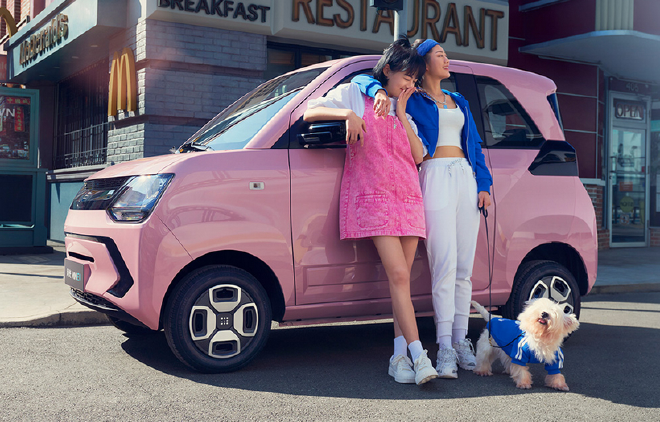
不可否认,低价电动车在行业发展初期,对于推动用户认知,以及提升电动车渗透率方面作出了很大贡献。但是,在汽车制造创新升级的背景下,小型电动车并非市场的主流产品,更撑不起一家企业面对形象、利润之后的长久可持续发展。
而且,这类电动车市场存在很大的泡沫,在当下原材料价格上涨、积分价格下探,已经让小型电动车企苦不堪言,欧拉停产黑猫、白猫就是最好的例证。
这一幕似乎与10多年前,A00级燃油车的发展非常相似。当时以奇瑞QQ为主的低价燃油轿车帮助汽车走进更多的家庭,随后几年间,国内汽油车市场不断朝向大空间、大排量、高配置发展,导致A00级汽油车销声匿迹。
目前,10万元以下的纯电动车主要是为了让更多用户认识和了解新能源车,由此来带动更高级别产品的销量。在国家的规划中,计划2025年,新能源汽车新车销量占比达到25%左右,智能网联汽车新车销量占比达到30%,2035年高度自动驾驶智能网联车趋于普及,其中低价电动车的占比肯定会逐步降低。
所以,高价值和高品质的新能源产品,更有利于我国新能源市场的发展,低价电动车只是打开新能源市场的一把钥匙,品牌走上去才是要努力的方向。
对于企业来说,制造低价电动车就要面临市场和品牌的抉择。毕竟消费者希望买到经济实惠、性价比更高的产品,而车企必须要靠盈利来实现企业长久发展,一直亏本是不现实的。所以欧拉黑猫、白猫停产很多人认为对欧拉品牌来说是最好的选择,毕竟已经在新能源领域蹚出了一条路,品牌向上是接下来的发展方向。
虽然五菱宏光MINIIEV看似很风光,但在原材料上涨、积分价格下跌的背景下,对于本身就利润微薄的五菱来说是很大的考验,没有利润注定不会长久下去。而且对于一个品牌来说,长期靠低价车型维持生计,对于品牌来说或许就是灭顶之灾。

可以看到,五菱已经开始向上探索,推出了KIWIEV、NanoEV等多款新能源车,但由于价格只是略微上提,终端市场表现就非常敏感,单月销量不及宏光MINIEV零头。这也让车企意识到,一旦产品定位低端市场,在消费者心中建立了低端品牌认知,再想向上突破会很难。
不过话又说回来,低价电动车也不是完全没有机会。此前,吉利汽车高层就曾表示,“我们觉得入门级的微型代步车我们要做确实很容易,但是从市场发展长河来看,品质、安全、健康是我们必须坚守的底线。”
所以车企应该意识到,虽然低价电动小车已经完全替代了燃油小型车,但绝大多数用户在几年之后还会选择更高级别的紧凑型电动车。而这一批低价电动车也会随着时代的发展,产品力方面也会迎来新的迭代升级。
从目前国内汽车市场发展路线来看,低价电动小车不会是新能源行业的核心产品,紧凑级轿车、紧凑级SUV等产品才是未来新能源市场的根本,同时消费能力也会朝着更高售价的豪华品牌上移。车企想要牢牢抓住市场,就应该尽早实现品牌和产品双向上,用不同的产品找准市场定位,才是最好的出路。只是押宝低价电动车,对于企业长期发展很不利。
总而言之,低价电动车市场值得厂商入局深耕,不过估计很难再出现下一个五菱宏光MINIEV了。
虽然从宏光MINIEV和奇瑞小蚂蚁、东风的EX1开始,低价新能源车仿佛焕发了生机,甚至成为国内电动车市场的支柱车型,宏光MINIEV更是夺得年度电动车销量第一。不过,在鲜亮成绩的背后,低价电动车却隐藏着不小的危机,随着新能源车市场成熟、产品饱和、消费升级、价格上涨,都给这个细分市场带来了超乎想象的挑战。
At Teslas Battery Day in 2020, Musk said he would launch a $25,000 (about 161,800 yuan) entry-level electric car within three years. Yet as recently as January, Musk said Tesla wasnt developing the new electric vehicle he promised for Battery Day 2020, priced as low as $25,000, and said he had too much to do on his plate. Losing money and making a profit? Low-cost electric vehicles face new challenges
This also means that it is difficult for consumers to drive Teslas low-priced electric cars in a short period of time. After careful consideration, it is found that the reason behind it is nothing more than cost. In fact, Tesla has raised the price of its new cars several times due to supply chain issues. With the cost of raw materials soaring, Musks dream of launching a more affordable electric car may be put on hold for now.
Even Musk has stated that he will temporarily give up pushing low-priced electric vehicles. It seems that factors such as rising raw material costs and declining subsidies have had a profound impact on the low-priced electric vehicle market segment.
Profits from low-priced electric vehicles are squeezed to the limit.
Dongfeng Junfeng launched the EX1 Pro model on the 19th, the price is also between 4.75-5.65 yuan, but the battery life has reached 32OKM.
It is no exaggeration to say that low-cost electric vehicles are experiencing the most difficult time.
Due to factors such as declining subsidies, rising raw material prices and shortage of chips, many new energy vehicle companies have raised the prices of their new cars. The price increase of new cars does not seem to have an obvious impact on mid-to-high-end models, but for models such as Wuling Hongguang MINIEV and Euler Black Cat, which are positioned in the low-priced market, the pressure from rising costs is even more prominent.
Losing money and making a profit? Low-cost electric vehicles face new challenges
Previously, the black cat and white cat under Euler stopped taking orders, and there was a lot of trouble. Dong Yudong, CEO of ORA brand, once said that although the ORA brand has advantages in the industrial chain, this fashionable car still brings huge losses to the company. Taking the black cat as an example, after the price of raw materials rose sharply in 2022, the loss of a single unit of ORA black cat exceeded 10,000 yuan.
In addition, the black and white cats have not yet delivered new car orders to users due to lack of cores and electricity, and the total number of orders has exceeded 20,000. If orders continue to be received, new orders will be delivered until the second half of 2022.
From Great Wall Ora black cat and white cat to leading T03 and Chery QQ ice cream, these cars either choose to stop taking orders or increase the price. This has also become the solution given by most car companies. After all, no one wants to do it. Losing business.
In the past two years, many car companies have quickly gained market recognition for their small and low-cost electric vehicles. Although the subsidy decline has little impact on low-cost electric vehicles, with the rise in raw material costs, low-cost electric vehicles have also been greatly affected. It has a big impact, because the three-electric system occupies a large proportion of the cost of a car, and the room for adjustment is very limited when the price of key raw materials increases, so the higher the sales volume, the higher the loss.
If car companies directly adjust the price of such small cars on the terminal, it may be difficult for consumers to accept them. The main selling point of these cars is low prices. Both car companies and consumers are always extremely sensitive to price changes. Therefore, most car companies choose to absorb the pressure of rising costs by themselves.
However, it is not a long-term solution for companies to absorb the pressure of rising costs by themselves. Euler Dong Yudong once said that the cost of new energy vehicles is relatively transparent. Judging from the current product status and cost analysis on the market, most of the standard passenger cars with a length of more than 300km are in loss. Some companies may adjust their financial models to capitalize costs. Some cost transfer and other means have reduced the book loss, but the cost of direct materials for most models is approximately equal to the selling price plus subsidies, so the loss is certain.
Losing money and making a profit? Low-cost electric vehicles face new challenges
As the price of raw materials rises, the loss situation will further deteriorate. We have been looking for solutions, but the industry development of this segment is unhealthy. Dong Yudong also said that the rise in battery raw material prices has not ended, which will further increase the cost pressure.
With the gradual expansion of the new energy market, the industrys demand for lithium, cobalt, nickel and other core raw materials for power batteries is also increasing, and rising prices are naturally inevitable.
However, the price of these core materials has risen ridiculously fast. In August 2021, the quotation of battery-grade lithium carbonate was still around 100,000 yuan/ton, and now the price has exceeded 500,000 yuan/ton. The recent change in the price of demon nickel caused by changes in the international situation has further exacerbated the new situation. An increase in the price of energy vehicles.
From the perspective of sales, policies, raw materials, etc., the price increase of new energy vehicles will be a long-term and continuous process. In a short period of time, the price increase of new energy vehicles has become the main theme. According to previous estimates by Morgan Stanley, the increase in nickel prices may increase the cost of electric vehicles by US$1,000.
Therefore, it is not difficult to understand why so many car companies have announced to increase the price of new cars. Tesla has raised the price twice within a week. Among them, the Model Y high-performance version has a comprehensive increase of up to 30,000 yuan. Even the price of the new Hongguang MINIEV has increased, and it seems that the company cant bear it anymore.
In fact, I don’t know that low-priced electric cars do not make money. At present, new energy car companies are generally in a state of loss. For example, Wei Xiaoli, the head of the new car-making force, is in a state of loss. Even Tesla has taken many years to achieve profitability. Therefore, new energy vehicle companies still have a long way to go to achieve profitability.
It may be more difficult for low-priced electric vehicles to achieve profitability, because compared with mid-to-high-end electric vehicles, users who purchase micro and small electric vehicles mainly use license plates and travel, and do not have high requirements for battery life, performance and technology. , so companies can reduce costs and occupy the market with cost-effectiveness.
However, users who buy low-priced electric vehicles will pay great attention to the price. The original price is not more than 100,000 yuan. If it increases by 5,000-1,000 yuan after adjustment, it will be difficult for consumers to accept.
But the fact is right in front of us. The rising battery price has increased the cost of Wuling Hongguang MINIEV and Euler Black Cat, White Cat and other models. Manufacturers are under great pressure. After all, the production profit margin of these entry-level electric vehicles is very small. Companies that raise prices will have to pay for subsidies out of their own pockets. In the face of such a large volume, it is obviously impossible not to raise prices.
Why should the loss-making business continue?
According to the conventional way of thinking, doing business must be profitable, and the products sold must also be profitable. However, miniature electric vehicles such as Wuling Hongguang MINIEV, as well as Euler Black Cat and White Cat small electric vehicles, may not make much profit from selling the car, and it is not easy to make money.
Losing money and making a profit? Low-cost electric vehicles face new challenges
Some foreign media reported that an institution purchased a 38,800 yuan top-equipped Wuling Hongguang MINIEV for dismantling. During the dismantling process, it was found that Hongguang MINIEV simplifies the parts and uses a modular idea to divide the parts into It is easier to replace and assemble, making the Wuling Hongguang MINIEV cheaper to build.
In the end, the cost of each component is added together to a total of about 26,900 yuan, and the profit of this sub-top model is roughly 11,900 yuan. However, this is only a theoretical calculation. If labor, transportation, marketing and other expenses are included, The actual profit from the bicycle is probably very little left.
Previously, SAIC-GM executives also mentioned in an interview that the Hongguang MINIEV produced by Wuling initially considered whether the product could be accepted by users, and the first priority was to grasp the real travel pain points of users. He also admitted that Hongguang MINIEVs low profit per bike is terrifying, and it can only rely on economies of scale to achieve profitability.
Indeed, when the product sales reach a certain scale, it can effectively dilute the cost to achieve profitability. At present, the cumulative sales volume of Wuling Hongguang MINIEV has approached 600,000 units, making it the worlds largest sales volume of new energy vehicles. So judging from this sales figure, the economies of scale are already obvious. There is no way to verify how much each car can earn, but it should not be a very surprising number. After all, the cost of a car is not low, and the selling price Another tens of thousands.
It is worth noting that Hongguang MINIEV achieves such a sales volume in order to achieve profitability, while those competitors that focus on the same market segment as Hongguang MINIEV, the annual sales volume is only a fraction, not to achieve economies of scale, or it may be a loss of money and shouting. . Even so, the new energy low-cost electric vehicle market is still surging. From Geelys Geometry E to Changans waxy corn, the lineup of national boutique mobility vehicles has grown again.
Since it is unprofitable, why do those manufacturers still bite their teeth and enter the game?
First, new energy vehicles have become the main theme of the global auto industry, and China has become the largest new energy vehicle market. The data shows that in 2021, the sales volume of new energy passenger vehicles in the Chinese market will be 2.9398 million units, accounting for 45% of the global new energy passenger vehicle market share. The number of new energy vehicles in the Chinese market is not only huge, but the growth rate is also gratifying. Last year’s sales were year-on-year. It increased by 156.7%, and the retail penetration rate reached 14.8%.
Such achievements in Chinas new energy vehicle market have to make the outside world look at the new energy market with admiration. The Passenger Federation expects that 5.5 million new energy passenger vehicles will be sold in China in 2022, and the penetration rate of new energy vehicles will reach 25%, and miniature electric vehicles are an important part of the new energy industry. Therefore, in order to seize the future market, companies cannot sit still and let Wuling Hongguang MINIEV swallow this big cake alone.
Losing money and making a profit? Low-cost electric vehicles face new challenges
Second, there is another potential benefit for car companies to produce low-priced electric vehicles, which is to earn new energy points. We all know that the national dual-point policy has very strict requirements on car companies, and car companies must have positive points in order to pass the assessment. The negative points generated by the sale of fuel vehicles need to be offset by the positive points of new energy vehicles. If the companys own new energy points are not enough to offset the negative points, it needs to be purchased from other companies with surplus positive points.
After all, buying points from other car companies is not a long-term solution, but an emergency measure. After all, one point costs 3,000 yuan. For those companies that focus on fuel vehicles, if they want to completely offset the negative points, I am afraid it will cost a lot of money. , which is obviously a good deal. Therefore, car companies choose to produce new energy models to offset the negative points of car companies selling fuel vehicles.
However, with the gradual tightening of the double-point policy, there is not much time left for manufacturers with negative points. Micro electric vehicles and small electric vehicles are less difficult to manufacture, and they are easy to sell at low prices, making it easier to quickly help manufacturers achieve positive points.
In addition to the above two reasons, there may be more profound significance for car companies to build low-cost electric vehicles, that is, to survive.
At present, the development of new energy vehicles has become a global consensus. Some car companies want to use the new energy track to complete corner overtaking. Although the ultimate goal is the same, the starting point is different. Some car companies rush directly to the mid-to-high-end market of new energy to create disruptive smart cars.
Losing money and making a profit? Low-cost electric vehicles face new challenges
However, building new energy vehicles also requires a huge amount of capital, which is full of challenges for those companies with weak technical reserves and shortage of funds and talents. Many car companies have been tossing for several years, and there are countless companies that have finally failed.
Although many new energy vehicle companies have established a firm foothold, life is not as good as imagined. For example, new car manufacturers such as Weilai and Xiaopeng have been trying to find support from the capital chain, so they are building high-end new energy. Cars are expensive.
Since high-end cars cannot be built, they will focus on low-end new energy models, so many car companies have copied Wuling Hongguang MINIEV. First, because the technical threshold for car building is not high, and second, there are already successful cases that can be used for reference. would be easier.
Of course, no matter what the purpose is, it is a good thing for the industry and consumers to actively participate in the creation of new energy vehicles. After all, the more products and the greater the competition, the better the quality of the new car.
Identifying the market positioning of low-cost electric vehicles is critical
Although more car companies have joined the ranks of low-cost electric vehicles, no matter how great the potential of this market segment is, the volume ceiling is always smaller than that of other models. Coupled with the rising cost of raw materials, car companies have further room for profit. Compression, it is not easy for this market to thrive.
Losing money and making a profit? Low-cost electric vehicles face new challenges
It is undeniable that low-cost electric vehicles have made great contributions to promoting user awareness and increasing the penetration rate of electric vehicles in the early stage of the industry. However, under the background of innovation and upgrading of automobile manufacturing, small electric vehicles are not the mainstream products in the market, nor can they support the long-term sustainable development of a company in the face of image and profit.
Moreover, there is a big bubble in this type of electric vehicle market. At present, the price of raw materials is rising and the price of points is falling, which has made small electric vehicle companies miserable. Eulers suspension of black cats and white cats is the best example.
This scene seems to be very similar to the development of A00-class fuel vehicles more than 10 years ago. At that time, the low-priced fuel sedans, mainly Chery QQ, helped cars enter more families. In the following years, the domestic gasoline vehicle market continued to develop towards large space, large displacement and high configuration, resulting in the disappearance of A00 gasoline vehicles.
At present, pure electric vehicles below 100,000 yuan are mainly to let more users know and understand new energy vehicles, thereby driving the sales of higher-level products. In the national plan, it is planned that in 2025, the sales of new energy vehicles will account for about 25%, and the sales of new cars with intelligent network will account for 30%. The proportion of electric vehicles will definitely decrease gradually.
Therefore, high-value and high-quality new energy products are more conducive to the development of my countrys new energy market. Low-priced electric vehicles are only a key to open the new energy market. Brands are the direction to work hard.
For enterprises, manufacturing low-cost electric vehicles is faced with the choice of the market and brands. After all, consumers want to buy more affordable and cost-effective products, and car companies must rely on profits to achieve long-term development of the company, and it is unrealistic to lose money all the time. Therefore, the production of Eulers black cat and white cat is discontinued. Many people think that it is the best choice for the Euler brand. After all, it has already made a way in the field of new energy, and brand up is the next development direction.
Although Wuling Hongguang MINIIEV seems to be very beautiful, in the context of rising raw material prices and falling points prices, it is a big test for Wuling, which has meager profits. Without profits, it will not last for a long time. And for a brand, relying on low-priced models to make a living for a long time may be a disaster for the brand.
Losing money and making a profit? Low-cost electric vehicles face new challenges
It can be seen that Wuling has begun to explore upwards and launched a variety of new energy vehicles such as KIWIEV and NanoEV. However, because the price has only increased slightly, the performance of the terminal market is very sensitive, and the monthly sales volume is less than a fraction of Hongguang MINIEV. This also makes car companies realize that once the product is positioned in the low-end market and the low-end brand awareness is established in the minds of consumers, it will be difficult to break through.
But then again, low-cost electric vehicles are not completely without opportunities. Previously, Geely Automobile executives said, We think it is really easy for us to make entry-level micro-scooters, but from the perspective of the long-term development of the market, quality, safety and health are the bottom lines that we must adhere to.
Therefore, car companies should realize that although low-cost electric cars have completely replaced fuel-powered small cars, most users will choose higher-level compact electric cars in a few years. And this batch of low-cost electric vehicles will also usher in new iterative upgrades in terms of product power with the development of the times.
Judging from the current development route of the domestic automobile market, low-cost electric cars will not be the core products of the new energy industry, while compact cars, compact SUVs and other products will be the foundation of the future new energy market. High-priced luxury brands moved up. If car companies want to firmly grasp the market, they should realize the two-way relationship between brands and products as soon as possible, and use different products to identify the market positioning, which is the best way out. Just betting on low-cost electric vehicles is not good for the long-term development of the company.
All in all, the low-priced electric vehicle market deserves deep cultivation by manufacturers, but it is estimated that it is difficult to see the next Wuling Hongguang MINIEV.
Although starting from Hongguang MINIEV, Chery Ant, and Dongfengs EX1, low-cost new energy vehicles seem to be revitalized, and even become a pillar model in the domestic electric vehicle market. Hongguang MINIEV has won the first annual sales of electric vehicles. However, behind the bright achievements, low-priced electric vehicles hide a lot of crises. With the maturity of the new energy vehicle market, product saturation, consumption upgrades, and price increases, all of these have brought unimaginable effects to this market segment. challenge.