

多年以前,李某东在打工时发现,电池厂大量的镍氢电池废料或边角料无法处理,便萌生创建一家废旧电池回收企业的想法,并于2005年成立了广东邦普循环科技有限公司(下称“邦普循环”)。起初,邦普循环回收的废电池,主要来自MP3、MP4、手机等消费类电子产品。他没想到,邦普循环有一天会与新能源汽车联系在一起。
过去十年,国内新能源汽车快速发展,销量从2013年的1.76万辆,跃升至2022年的688.7万辆。据公安部数据,截至2022年底,全国新能源汽车保有量达1310万辆。另据乘联会方面预计,2023年底,新能源汽车保有量将突破2000万辆。
被喻为新能源车“心脏”的动力电池,一般情况下寿命为5~8年。近年来,新能源汽车的废旧电池回收量逐渐增多。研究机构EVTank联合伊维经济研究院日前共同发布的《中国废旧锂离子电池回收拆解与梯次利用行业发展白皮书(2023年)》显示,2022年中国废旧锂离子电池实际回收量为41.5万吨,同比增长75.8%,整个行业市场模增长至154.4亿元,同比增幅达到182.8%。
随着动力电池退役高峰期将到来,业内普遍对废旧锂离子电池回收利用行业前景看好。华安证券预计2030年退役电池量将达437GWh,回收市场价值达1695亿元。一些券商、咨询机构预测甚至更乐观,认为2025年行业规模有望突破千亿元。
不过,动力电池回收行业发展依然面临诸多问题。大东时代智库(TD)罗焕塔接受第一财经记者采访时称,电池回收总体需求将会呈现爆发式增长,但行业当前存在回收处理标准不统一、回收定价模式不统一以及各地废电池回收监管不统一等问题。
上万家“小作坊”抢食
近几年,动力电池的原材料价格大幅波动,其中,碳酸锂的价格从2021的5万元/吨暴涨至2022年11月的60万元/吨左右。今年以来,该原材料价格一度暴跌到20万元/吨以下,最近又反弹至30万元/吨左右。
自2021年以来,退役的动力电池成为回收企业争先抢夺的对象。在利益的驱动下,珠三角等地的小作坊和黑作坊如雨后春笋冒出,玩转价高者得的游戏规,让“正规军”陷入“吃不饱”的窘境。
记者曾到东莞一家近30名员工的小作坊进行暗访,目睹了工人抡起铁锤猛砸废旧动力电池托盘的场景,工人在简陋的厂房中没有戴口罩和手套,也没有穿相关防护服。这些看起来挺简陋的小作坊或“黑作坊”,纷纷参与到底盘拆解、电芯拆解、粉料处理等环节。
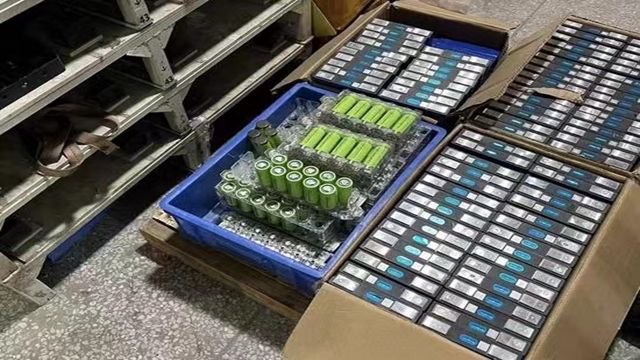
新能源汽车动力电池的容量普遍在50至100kwh(1kwh=1度电)范围内,一些小作坊平均每度电收购价会比大型企业高出几十元,收购一辆新能源汽车废旧动力电池的价格,往往比正规军高出几千元。
“这一行业还是处于野蛮生长期。废电池项目招标,往往是价高者得。小作坊在技术、环保、安全、设备等方面投入少,相比之下,正规军整体运营成本明显会高许多。因此,小作坊可以出高价抢走不少废电池。”邦普循环副总裁余海军近日接受第一财经记者采访时谈到, “僧多粥少”是当前该行业发展遇到的难题之一。
目前,究竟有多少家企业在“抢食”?爱企查数据显示,截至2023年4月16日,注册“电池回收”的企业达到51621家。伊维经济研究院研究部总经理、中国电池产业研究院院长吴辉近日接受第一财经记者采访时称,这个逾百亿规模的市场,目前挤入上万家企业,但上规模的企业只有一两百家,进入工信部白名单的企业更是仅有88家,绝大多数还是小作坊。
天风证券的新能源车报废系数计算得出,2022 年中国应有约 39 万辆新能源车报废,但据可查的新能源车报废数量是9万辆。
数据偏差如此之大,与许多报废汽车流入“黑市”或小作坊有关。对此,有业内人士分析称,锂属于小金属的赛道,价格相对容易被操控或干扰,一些小作坊高价收购废电池,以及囤货、惜售、哄抬价格,影响到行业健康发展。与此同时,相比于小商小贩和地下作坊,正规动力电池回收企业的环保、安全等成本不可小觑。
有关专家曾做过测算,按照目前的技术,碳酸锂在30万/吨至40万/吨的区间内,能够保证动力电池回收企业的盈利性。去年,虽然锂价高涨,但不同的回收参与主体在技术、渠道、成本、设备等方面存在差异,一些动力电池回收企业甚至是头部企业反馈由于成本上涨快速,赚钱并不容易。
目前,白名单上的邦普循环、格林美等行业头部企业回收率均超过90%,其中,邦普循环的镍钴锰回收率达99.3%以上,锂回收率也达90%以上;格林美镍钴回收超过98.5%,锂回收率超过90%、镍钴回收超过98.5%。虽然技术上不断突破,但盈利空间有限。
专家称,部分小作坊争夺货源,扰乱市场,在“僧多粥少”的情况下,邦普循环也仅是赚取有限的加工费,靠微薄的利润活着。不过,他对这一行业的前景看好,废电池回收利用行业正向技术密集型和资本密集型行业转型升级,在研发、技术等方面持续突破的正规军,未来将有更大的发展空间。
当前,动力电池回收行业鱼龙混杂,整体依然呈现“小、散、乱”的竞争格局,与动力电池行业早期发展轨迹有些类似,但这种局面有望被打破。为加快研究制定新能源汽车动力蓄电池回收利用管理办法,加强动力电池回收利用管理,支撑新能源汽车产业持续健康发展,工信部正在加快推出《新能源汽车动力电池回收利用管理办法》。
日前,工信部节能与综合利用司在北京组织召开新能源汽车动力蓄电池回收利用管理办法研讨会,此次会议围绕办法的管理范围、执行主体、适用的法律法规等进行了讨论,深入研究动力电池回收利用管理存在的薄弱环节以及强化管理的工作思路。下一步,该司将加快新能源汽车动力蓄电池回收利用管理办法研究制定,强化行业规范管理,持续完善动力电池回收利用体系。将出台的新规被业内认为会引发行业洗牌,加快优胜劣汰。
一家参与新规闭门讨论会议的企业相关负责人向记者称,未来新规对主体责任更明确,提高行业从业者门槛,在某些方面通过法律法规来加强监管,预计会将一批不规范的小作坊真正淘汰出局。
争夺千亿市场
记者了解到,目前,动力电池工厂生产过程中的废料或边角料,新能源汽车生产过程中作废的电池,事故车或二手车维修过程中拆下的电池,以及逐渐增多的新能源汽车退役动力电池等,通过工厂、4S店、二手车商、私人等渠道流到废电池回收从业者手上。
业内普遍认为动力电池在未来两三年内将迎来大规模退役潮。其中,据GGII预测,到2025年中国退役动力电池累计将达到137.4GWh,需要回收的废旧电池将达到96万吨。2025年有望成为大规模退役潮的标志性启动节点,并进入规模与利润双增长的黄金时期。
据EVTank分析,2022年梯次利用市场份额排名靠前的企业主要为比亚迪、天赐、光华科技、华友循环、格林美、邦普循环、赣峰循环等,2022年回收拆解市场份额排名靠前的企业包括邦普循环、赣峰循环、金泰阁、华友循环、格林美等。
值得注意的是,作为国内动力电池装机量冠亚军的宁德时代和比亚迪,早已盯上废电池回收利用业务,并不断加快在动力电池回收环节的布局。比亚迪自建电池回收产能,完成产业闭环。其中,比亚迪成立的台州弗迪电池有限公司经营范围就包括新能源汽车废旧动力蓄电池回收及梯次利用等。
宁德时代与比亚迪的较量,早已从动力电池装机量延伸到废电池回收等产业链之争,宁德时代在2015年收购了邦普循环,与邦普循环逐渐形成电池生产-使用-梯次利用-回收与资源再生的产业闭环。2021年,宁德时代携手邦普循环建设宜昌邦普全链条一体化产业园,其中包括废旧电池材料回收等业务。紧接着,2023年伊始,宁德时代宣布其控股子公司邦普循环拟在佛山市新建广东邦普全链条一体化产业园,项目投资总金额不超过238亿元,将建设具备50万吨废旧电池材料回收(含兼容过程料)及相应的磷酸铁锂正极材料、三元正极材料及负极再生石墨制造等集约化、规模化的生产基地。
除电池厂商外,越来越多的车企也将触角伸向废电池回收环节。其中,广汽集团从2022年开始先后成立锐湃动力电驱公司、因湃科技电池公司以及优湃能源科技等公司,构建“锂矿+基础锂电池原材料生产+电池生产+储能及充换电服务+电池租赁+电池回收和梯次利用 ”纵向一体化新能源产业链。蔚来资本今年1月宣布领投一体化电池回收企业瑞隆科技数亿元人民币A轮融资,将在废旧电池采购渠道开拓、技术研发等多方面持续发力。
格林美等诸多第三方动力电池回收企业也在加快抢占市场的步伐。以电池制造商、整车生产商、专业第三方企业的三种动力电池回收商业模式是当前国内主流。盖世汽车研究院相关分析师认为,三种模式各有优劣。
电池制造商正加快布局拆解回收和梯次利用,形成原材料循环利用的同时进一步提高电池全生命周期价值,但其与整车厂之间存在产业链主导权之争;整车制造商拥有丰富的汽车销量网络,具备渠道优势,因而回收成本低、效率高,但受废旧电池梯次利用和再生利用的技术门槛限制;第三方企业掌握废旧电池梯次利用以及再生利用的核心技术,但存在回收费用高、渠道铺设难度大等问题。
边走边看边摸索
多名受访者向第一财经记者表示,目前废电池回收利用市场产能过剩,尤其是中低端市场竞争格外激烈。不过,随着动力电池大规模退役,“僧多粥少”的问题有望得以解决,但行业的盈利依然是一大难题,尤其是目前梯次利用成本偏高,商业化难度大。
目前,废电池回收体系建设尚未完善,亟待加快推进动力电池全生命周期溯源管理体系。
专家介绍,邦普循环与宁德时代的关系,不仅是股权上的关系,更重要的是涉及到电池整个生命周期的管理,从前端的研发开始到电池末端的回收利用,建立一条完整的生态链,从研发生产时就要从材料等方面考虑到未来的回收利用,各个环节协同,有助于降低成本。这一行业只做其中某一段的企业会越来越难。从电池设计开始就要考虑到整个链条未来多年冗长的运营管理。
他同时表示,国家鼓励定向循环利用和逆向拆解技术,是既能降低电池生产和整车生产的成本又能达到保护资源、循环利用效果的举措。定向循环不仅仅是一种应用在电池循环领域上的创新工艺,更是一种可运用在整体产业链的商业模式。
不过,“吃百家饭”的邦普循环,其所回收的不仅是宁德时代的电池,而是涉及众多企业的电池,电池大小、形状、标准不一令人眼花缭乱。此外,电池梯次利用涉及电芯、模块拆解重组,流程复杂,产权多次转移,溯源难度大。
为解决这一问题,邦普早前曾提出“电池以租代售”合作的模式,即回收企业能对租赁电池进行溯源,在限期内完成回收,避免电池流向“小作坊”,保证退役动力电池得到规范安全处理,有效提取再生资源,缓解新能源行业对原生金属资源的依赖。但这一模式能否走通仍有待观望。
“其实,大家现在都是边走边看边摸索。”广东一家废旧动力电池回收企业的高管在接受第一财经记者采访时说。
大规模退役的动力电池,可拆解出镍、钴、锰、锂盐等重要金属,如果能合理利用,将大大降低动力电池和新能源汽车的成本,有利于整条产业链的良性循环。但电池产业部分领域的商业模式还未成熟,尚处于发展初期阶段的动力电池回收行业仍面临一些挑战,包括技术、经济性和政策等方面的问题。不过,未来随着政策引导以及企业合力,动力电池回收行业将会越来越规范,有望变成一门“好生意”。
"More monks than porridge" is one of the problems encountered in the development of the current waste Battery recycling industry.
Many years ago, when Li Moudong was working, he found that a large number of Nickel–metal hydride battery wastes or leftovers in the battery factory could not be disposed of, so he had the idea of creating a waste Battery recycling recycling enterprise. In 2005, he established Guangdong Bangpu Recycling Technology Co., Ltd. (hereinafter referred to as "Bangpu Recycling"). At first, the waste batteries recycled by Bangpu mainly came from consumer electronics products such as MP3, MP4, and mobile phones. He didn't expect that the Bangpu cycle would one day be linked to new energy vehicles.
In the past decade, new energy vehicles in China have developed rapidly, with sales jumping from 17600 units in 2013 to 6.887 million units in 2022. According to data from the Ministry of Public Security, as of the end of 2022, the total number of new energy vehicles in China reached 13.1 million. According to the China Passenger Transport Association, the number of new energy vehicles will exceed 20 million by the end of 2023.
The power battery, known as the "heart" of new energy vehicles, generally has a life span of 5-8 years. In recent years, the amount of waste Battery recycling recovered from new energy vehicles has gradually increased. The White Paper on China's Waste Lithium Ion Battery recycling Recycling, Disassembly and Cascade Utilization Industry Development (2023) jointly released by research institute EVTank and Ivey Economic Research Institute shows that in 2022, China's actual recycling volume of waste lithium ion batteries will be 415000 tons, with a year-on-year growth of 75.8%, and the market model of the entire industry will grow to 15.44 billion yuan, with a year-on-year growth of 182.8%.
With the coming of the peak period of power battery retirement, the industry is generally optimistic about the prospect of waste lithium ion Battery recycling recycling industry. Hua'an Securities predicts that the number of retired batteries will reach 437GWh by 2030, with a market value of 169.5 billion yuan recovered. Some securities firms and consulting firms are even more optimistic, believing that the industry size is expected to exceed 100 billion yuan by 2025.
However, the development of power Battery recycling industry still faces many problems. Luo Huanta, a think tank of Dadong Times (TD), said in an interview with China Business News that the overall demand for Battery recycling will show explosive growth, but the industry currently has problems such as inconsistent recycling standards, inconsistent recycling pricing models, and inconsistent supervision of waste Battery recycling recycling in various regions.
Thousands of "small workshops" snatching food
In recent years, the price of raw materials for power batteries has fluctuated significantly. Among them, the price of Lithium carbonate has soared from 50000 yuan/ton in 2021 to about 600000 yuan/ton in November 2022. Since the beginning of this year, the price of this raw material has plummeted to below 200000 yuan/ton, and recently rebounded to around 300000 yuan/ton.
Since 2021, retired power batteries have become the target of competition among recycling companies. Driven by interests, small workshops and black workshops have sprung up in the Pearl River Delta and other places, playing the game rules of the high priced, so that the "Regular army" fell into the dilemma of "not enough to eat".
The reporter once conducted an undercover visit to a small workshop with nearly 30 employees in Dongguan and witnessed the scene of workers wielding hammers and smashing waste power battery trays. The workers did not wear masks, gloves, or protective clothing in the simple factory building. These seemingly rudimentary small workshops or "black workshops" have participated in the process of dismantling the chassis, dismantling the battery cells, and handling powder materials.
Power Battery recycling market will reach 100 billion yuan in the next few years
The capacity of power batteries for new energy vehicles is generally in the range of 50 to 100 kwh (1 kwh=1 kilowatt hour), and the average purchase price per kilowatt hour for some small workshops will be dozens of yuan higher than that of large enterprises. The price for purchasing waste power batteries for new energy vehicles is often thousands of yuan higher than that of the Regular army.
"The industry is still in a savage growth period. The bidding of waste battery projects is often the winner of the high price. Small workshops invest less in technology, environmental protection, safety, equipment and other aspects, in contrast, the overall operating costs of the Regular army will be significantly higher. Therefore, small workshops can steal many waste batteries at a high price." Yu Haijun, vice president of Bunp Recycling, recently told the reporter of China Business News, "More monks than porridge" is one of the problems encountered in the development of the industry at present.
How many companies are currently "grabbing food"? According to Aiqi's data, as of April 16, 2023, 51621 enterprises had registered "Battery recycling". Wu Hui, General Manager of the Research Department of Yiwei Economic Research Institute and President of China Battery Industry Research Institute, stated in a recent interview with First Financial reporters that this market with a scale of over ten billion has currently squeezed into tens of thousands of enterprises, but only one or two hundred of them are in the upper scale, and only 88 enterprises have entered the whitelist of the Ministry of Industry and Information Technology, with the vast majority still small workshops.
According to the calculation of Alternative fuel vehicle scrapping coefficient of Tianfeng Securities, in 2022, China should have about 390000 Alternative fuel vehicle scrapped, but the number of Alternative fuel vehicle scrapped is 90000.
The significant deviation in data is related to the influx of many scrapped cars into the "black market" or small workshops. Industry insiders have analyzed that lithium belongs to the track of small metals, and its prices are relatively easy to manipulate or interfere with. Some small workshops purchase waste batteries at high prices, as well as hoard, hesitate to sell, and bid up prices, which affects the healthy development of the industry. At the same time, compared with vendors and underground workshops, the environmental protection and safety costs of formal power Battery recycling enterprises cannot be underestimated.
Relevant experts have calculated that according to the current technology, Lithium carbonate can guarantee the profitability of power Battery recycling recovery enterprises in the range of 300000/t to 400000/t. Last year, despite the high price of lithium, there were differences in technology, channels, costs, equipment and other aspects among different recycling participants. Some power Battery recycling recycling enterprises and even leading enterprises reported that it was not easy to make money because of the rapid cost rise.
At present, the recycling rates of top enterprises in industries such as Bangpu Recycling and Greenway on the whitelist all exceed 90%. Among them, Bangpu Recycling's nickel cobalt manganese recycling rate is over 99.3%, and lithium recycling rate is also over 90%; The recovery rate of nickel and cobalt in Greenland exceeds 98.5%, lithium recovery rate exceeds 90%, and nickel and cobalt recovery rate exceeds 98.5%.
Walking, watching, and groping
Several interviewees told China Business News that there is overcapacity in the waste Battery recycling recycling market, especially in the middle and low end markets. However, with the large-scale retirement of power batteries, the problem of "more monks than porridge" is expected to be solved, but the profitability of the industry is still a major problem, especially at present, the cost of echelon utilization is high, and commercialization is difficult.
At present, the construction of the waste Battery recycling recycling system has not been improved, and it is urgent to accelerate the promotion of the whole life cycle traceability management system of power batteries.
Experts said that the relationship between Bunp Cycle and the CATL is not only about equity, but also about the management of the whole life cycle of the battery. From the beginning of front-end research and development to the recycling of the battery end, a complete ecological chain should be established. The future recycling should be considered from the aspects of materials during research, development and production. The coordination of all links is helpful to reduce costs. It will become increasingly difficult for companies in this industry to only focus on a certain segment. From the beginning of battery design, it is necessary to consider the lengthy operation and management of the entire chain for many years to come.
He also stated that the country encourages targeted recycling and reverse dismantling technology, which can not only reduce the cost of battery production and vehicle production, but also achieve the effect of resource protection and recycling. Directional cycling is not only an innovative process applied in the field of battery cycling, but also a business model that can be applied in the overall industrial chain.
However, the Bunp cycle of "eating a hundred meals" not only recycles batteries from the CATL, but also batteries from many enterprises. The size, shape and standard of batteries are dazzling. In addition, the cascade utilization of batteries involves the disassembly and reassembly of battery cells and modules, with complex processes and multiple transfers of property rights, making it difficult to trace the source.
To address this issue, Bangpu previously proposed a "battery rental sales" cooperation model, where recycling companies can trace the source of leased batteries and complete the recycling within a deadline, avoiding the flow of batteries to "small workshops", ensuring that retired power batteries are treated in a standardized and safe manner, effectively extracting renewable resources, and alleviating the dependence of the new energy industry on primary metal resources. However, it remains to be seen whether this model can go through.
"In fact, everyone is looking and groping while walking," said an executive of a waste power Battery recycling recycling enterprise in Guangdong in an interview with China Business News.
Large scale retired power batteries can be dismantled to produce important metals such as nickel, cobalt, manganese, and lithium salts. If properly utilized, it will greatly reduce the cost of power batteries and new energy vehicles, which is conducive to a virtuous cycle of the entire industrial chain. However, the business model in some areas of the battery industry is not yet mature. The power Battery recycling industry, which is still in the early stage of development, still faces some challenges, including technical, economic and policy issues. However, with the policy guidance and joint efforts of enterprises in the future, the power Battery recycling industry will become more and more standardized and is expected to become a "good business".