

备受欢迎的零排放车辆激励计划(iZEV)一直是加拿大联邦政府加速向零排放车辆过渡政策的基石,自2019年推出以来,该计划已为近55万辆电动汽车提供了购买支持。
过去五年中,加拿大政府已为该计划拨款近30亿加元。然而,随着零排放车辆(ZEV)普及率在去年秋季创下新高,补贴资金逐渐枯竭,政府一直在权衡该计划的未来走向。加拿大最初最初计划在今年3月底结束该补贴政策,或者在资金用尽时终止。
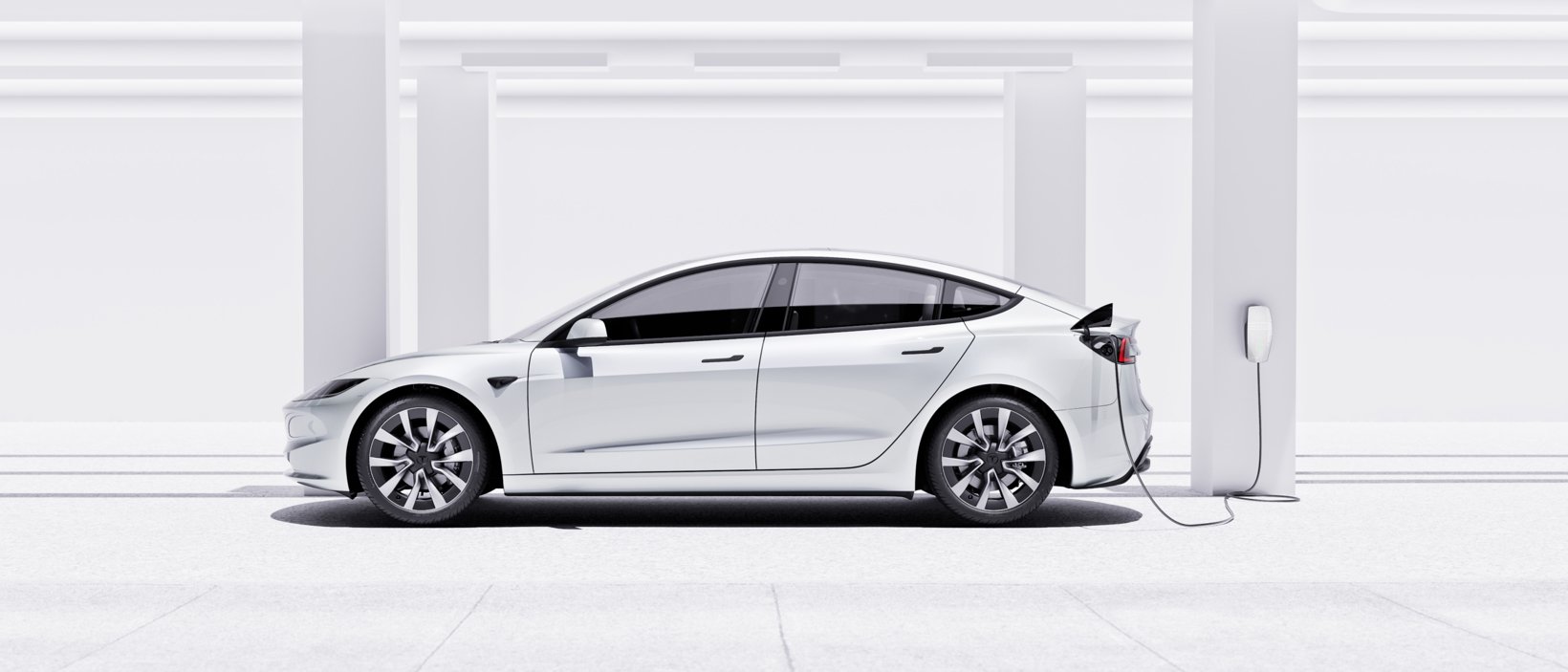 图片来源:特斯拉
加拿大交通部长Anita Anand在一份声明中称该补贴计划的实施是“一项成功”,但未提及是暂时还是永久停止该计划。
Anand在新闻稿中表示:“我们将继续与汽车行业、环保团体以及各个管辖区合作,推动加拿大交通领域的脱碳进程,并成为全球零排放汽车领导者。”
加拿大交通部表示,在项目资金耗尽之前,加拿大人将继续“受益于激励措施”。电动汽车倡导组织Electric Mobility Canada发布的数据显示,截至1月10日,该补贴项目资金池中剩余7,180万加元,预计可继续支持购买约1.5万辆符合条件的车辆。
根据加拿大交通部的最新数据,去年11月加拿大政府收到了共计1.153亿加元的激励申请。
加拿大汽车经销商协会(CADA)表示,在3月31日截止日期之前,“如果议会不再继续授权资金”,剩余的资金将“完全耗尽”。
在加拿大联邦政府暂停激励措施之前,魁北克省刚刚推出了类似的措施。去年12月17日,加拿大魁北克省宣布,由于需求量大,将从2月1日起暂停其“Roulez Vert”计划。与加拿大联邦政府一样,魁北克政府也没有提供何时恢复该补贴计划的时间表。
CADA首席执行官Tim Reuss表示,政府在向零排放车辆过渡的过程中“撤回补贴”,对经销商而言“尤其令人沮丧,因为他们已为建设必要的基础设施和资源付出了巨大努力。
加拿大汽车制造商协会首席执行官Brian Kingston表示,iZEV计划的暂停凸显了重新审视联邦零排放车辆强制规定的必要性。根据该规定,车企2026年ZEV销量需占新车销量的20%,2030年提高至60%,并在2035年达到100%。未能达到目标或未购买足够抵消额度的汽车制造商将面临每辆车高达2万加元的罚款。
Kingston说道:“电动汽车购买激励计划被暂停,而充电基础设施的推广速度也在放缓。强制性的电动汽车销售目标正变得越来越不切实际,亟待重新审视。”
According to foreign media reports, the Canadian government recently announced that it will "suspend" its zero emission vehicle subsidy program and cancel federal subsidy support of up to CAD 5000 for eligible pure electric and plug-in hybrid vehicles once available funds are depleted.
The popular Zero Emission Vehicle Incentive Program (iZEV) has been a cornerstone of the Canadian federal government's accelerated transition policy towards zero emission vehicles, providing purchase support for nearly 550000 electric vehicles since its launch in 2019.
Over the past five years, the Canadian government has allocated nearly 3 billion Canadian dollars for this program. However, as the adoption rate of zero emission vehicles (ZEVs) reached a new high last autumn and subsidy funds gradually dried up, the government has been weighing the future direction of the program. Canada initially planned to end the subsidy policy by the end of March this year or terminate it when funds are exhausted.
Image source: Tesla Image source: Tesla
Canadian Transport Minister Anita Anand described the implementation of the subsidy program as a "success" in a statement, but did not mention whether the program would be temporarily or permanently suspended.
Anand stated in a press release, "We will continue to collaborate with the automotive industry, environmental groups, and various jurisdictions to drive decarbonization in Canada's transportation sector and become a global leader in zero emission vehicles
Transport Canada stated that Canadians will continue to benefit from incentive measures until project funding is exhausted. According to data released by Electric Mobility Canada, an advocacy group for electric vehicles, as of January 10th, there is a remaining CAD 71.8 million in the subsidy program's funding pool, which is expected to continue supporting the purchase of approximately 15000 eligible vehicles.
According to the latest data from Transport Canada, the Canadian government received a total of CAD 115.3 million in incentive applications in November last year.
The Canadian Automobile Dealers Association (CADA) has stated that the remaining funds will be "completely depleted" if Parliament does not continue to authorize funding before the March 31 deadline.
Prior to the suspension of incentive measures by the Canadian federal government, Quebec had just introduced similar measures. On December 17th last year, the Canadian province of Quebec announced that it would suspend its "Roulez Vert" program from February 1st due to high demand. Like the Canadian federal government, the Quebec government has not provided a timetable for when the subsidy program will resume.
CADA CEO Tim Reuss stated that the government's "withdrawal of subsidies" during the transition to zero emission vehicles is "particularly discouraging" for dealers as they have put in tremendous effort to build the necessary infrastructure and resources.
Brian Kingston, CEO of the Canadian Automobile Manufacturers Association, stated that the suspension of the iZEV program highlights the need to re-examine federal zero emission vehicle mandatory regulations. According to the regulation, car companies are required to increase their ZEV sales to 20% of new car sales by 2026, 60% by 2030, and reach 100% by 2035. Automakers who fail to meet their targets or fail to purchase sufficient offsetting amounts will face fines of up to CAD 20000 per vehicle.
Kingston said, "The incentive program for purchasing electric vehicles has been suspended, and the promotion speed of charging infrastructure is also slowing down. Mandatory sales targets for electric vehicles are becoming increasingly unrealistic and urgently need to be re examined